
Does your dog panic, destroy furniture, or bark incessantly the moment you leave the house? You might be dealing with Dog Separation Anxiety. In this guide, we explore the root causes of this common behavioral issue and provide 7 effective relief methods to help your furry friend feel safe and calm when home alone.
Recognizing the Signs of Dog Separation Anxiety
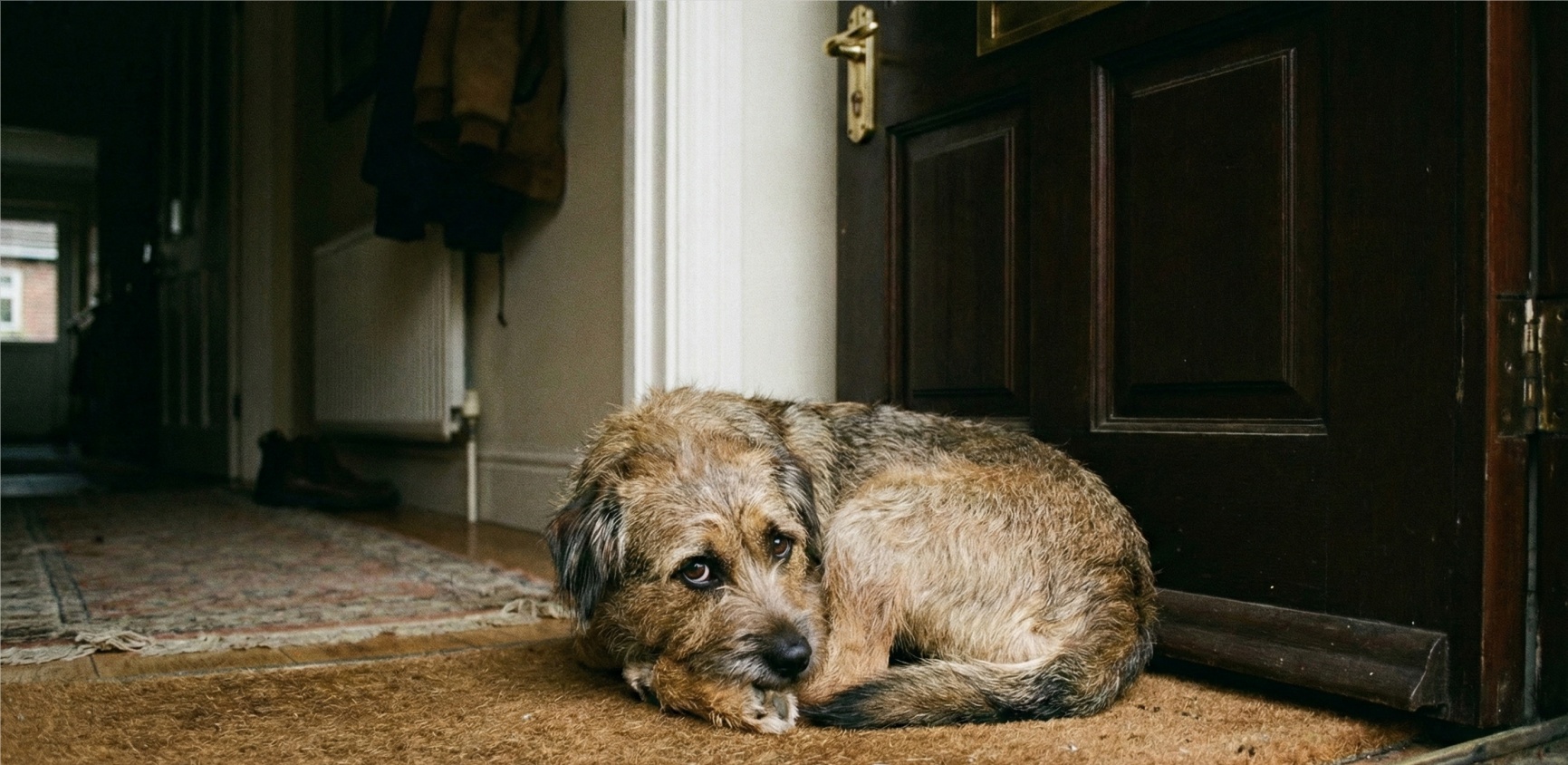
Separation anxiety is more than just a dog being "clingy." It is a genuine panic response triggered by the absence of their owner. Identifying the symptoms early is crucial for effective treatment. Common signs include:
- Destructive Behavior: Chewing door frames, digging at floors, or destroying household items (especially near exits).
- Vocalization: Persistent howling, barking, or whining that starts shortly after you leave.
- House Soiling: Urinating or defecating indoors despite being house-trained.
- Physical Signs: Pacing, heavy panting, drooling, or trembling as you prepare to depart.
7 Effective Ways to Deal with Dog Separation Anxiety
Helping a dog overcome anxiety requires a combination of environmental changes, training, and patience. Here are 7 proven methods to relieve stress and build independence:
- Exercise Before Departure: A tired dog is a calm dog. Engage in vigorous exercise (fetch, running) 30 minutes before you leave to deplete their energy levels.
- Desensitization to Triggers: Pick up your keys or put on your shoes, but then sit down and watch TV. Do this repeatedly to break the association between these actions and you leaving.
- Create a Safe Zone: Establish a comfortable crate or a specific room with their bed and old clothes that smell like you. This becomes their sanctuary.
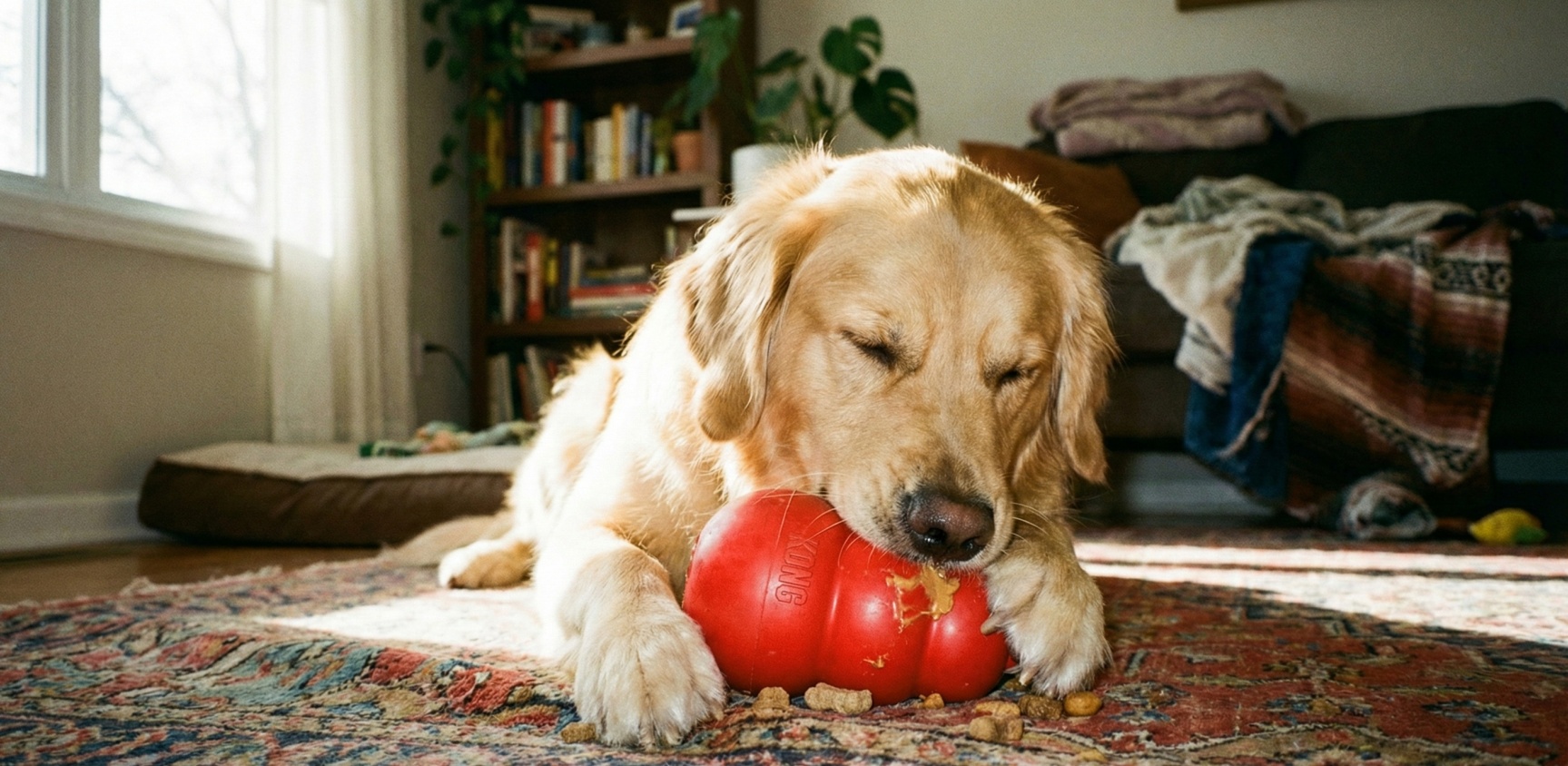
- Use High-Value Distractions: Give your dog a puzzle toy (like a frozen Kong filled with peanut butter) right before you go. This creates a positive association with your departure.
- Keep Departures Low-Key: Avoid emotional goodbyes. When you return, ignore your dog until they are calm. This teaches them that coming and going is a non-event.
- Calming Audio: Leave a radio on or play classical music specially designed for dogs (e.g., "Through a Dog's Ear") to mask outside noises and provide comfort.
- Graduated Absences: Start by leaving the room for just a few seconds, then minutes. Slowly build up the duration as your dog becomes more confident.
Important: Never punish your dog for anxiety-related behaviors. Punishment will only increase their stress and worsen the problem. They are not being "bad"; they are terrified.
When to Seek Professional Help?
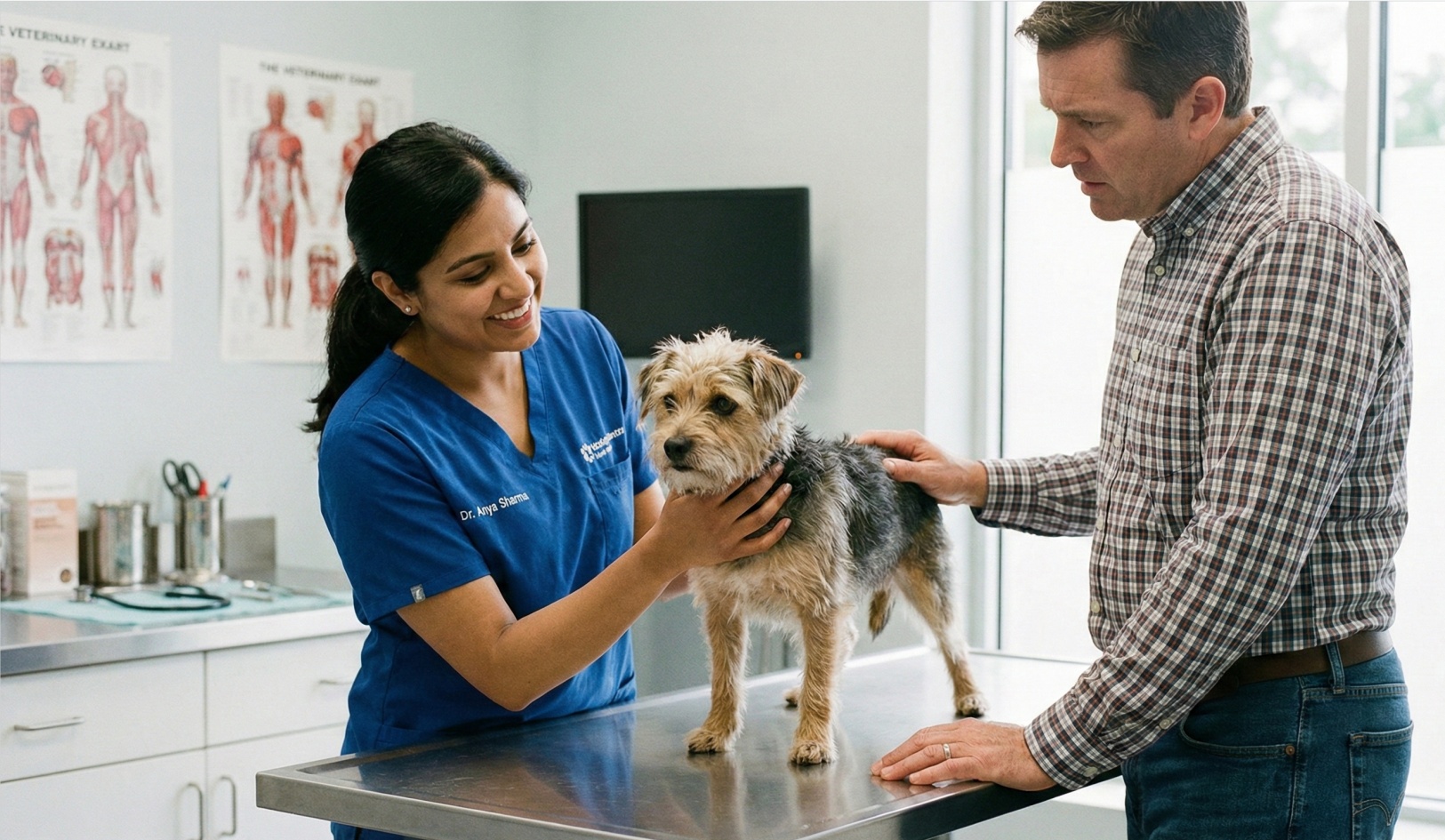
If your dog's anxiety is severe—resulting in self-injury, escape attempts through windows, or refusal to eat—home remedies may not be enough. In these cases, it is vital to consult a veterinarian or a certified dog behaviorist.
Professionals may recommend:
- Medication: Anti-anxiety medication (like fluoxetine or clomipramine) can help lower the threshold of panic, making training more effective.
- Pheromones: Products like DAP (Dog Appeasing Pheromone) diffusers simulate the calming pheromones of a nursing mother.
- Structured Behavior Modification: A tailored plan to systematically desensitize your dog.
Frequently Asked Questions (FAQ)
1. Will getting a second dog help with separation anxiety?
Rarely. Separation anxiety is usually about the attachment to a specific person, not general loneliness. A second dog might even pick up the anxious behaviors.
2. How long does it take to cure dog separation anxiety?
There is no set timeline. Mild cases may resolve in weeks, while severe cases can take months of consistent training. Consistency is key.
3. Is crate training good for anxious dogs?
It depends. If the dog sees the crate as a safe haven, yes. However, for dogs with confinement anxiety, crating can cause panic and physical injury. Always test this carefully.
4. Can CBD oil help my dog?
Many owners report success with CBD oil for mild anxiety, but scientific evidence is still evolving. Always consult your vet before adding supplements to your dog's diet.
Conclusion: A Journey to Independence
Dealing with dog separation anxiety can be exhausting, but it is treatable. By combining physical exercise, mental stimulation, and gradual desensitization, you can help your dog learn to relax when alone.
Next Step for You: Start small today. Practice your "departure triggers" (picking up keys) without actually leaving the house 5 times this evening to begin the desensitization process.